Install
openclaw skills install @hith3sh/research-to-sheetsResearch websites, extract structured findings, and save clean rows into Google Sheets. Use when users want web research organized into a spreadsheet — competitor lists, pricing data, contact lists, or any structured table from the web.
openclaw skills install @hith3sh/research-to-sheets
Research websites, extract structured findings, and save clean rows into Google Sheets. Use when users want web research organized into a spreadsheet — competitor lists, pricing data, contact lists, or any structured table from the web.
This skill uses ClawLink for the Google Sheets step, so the user does not need manual Google Sheets API setup.
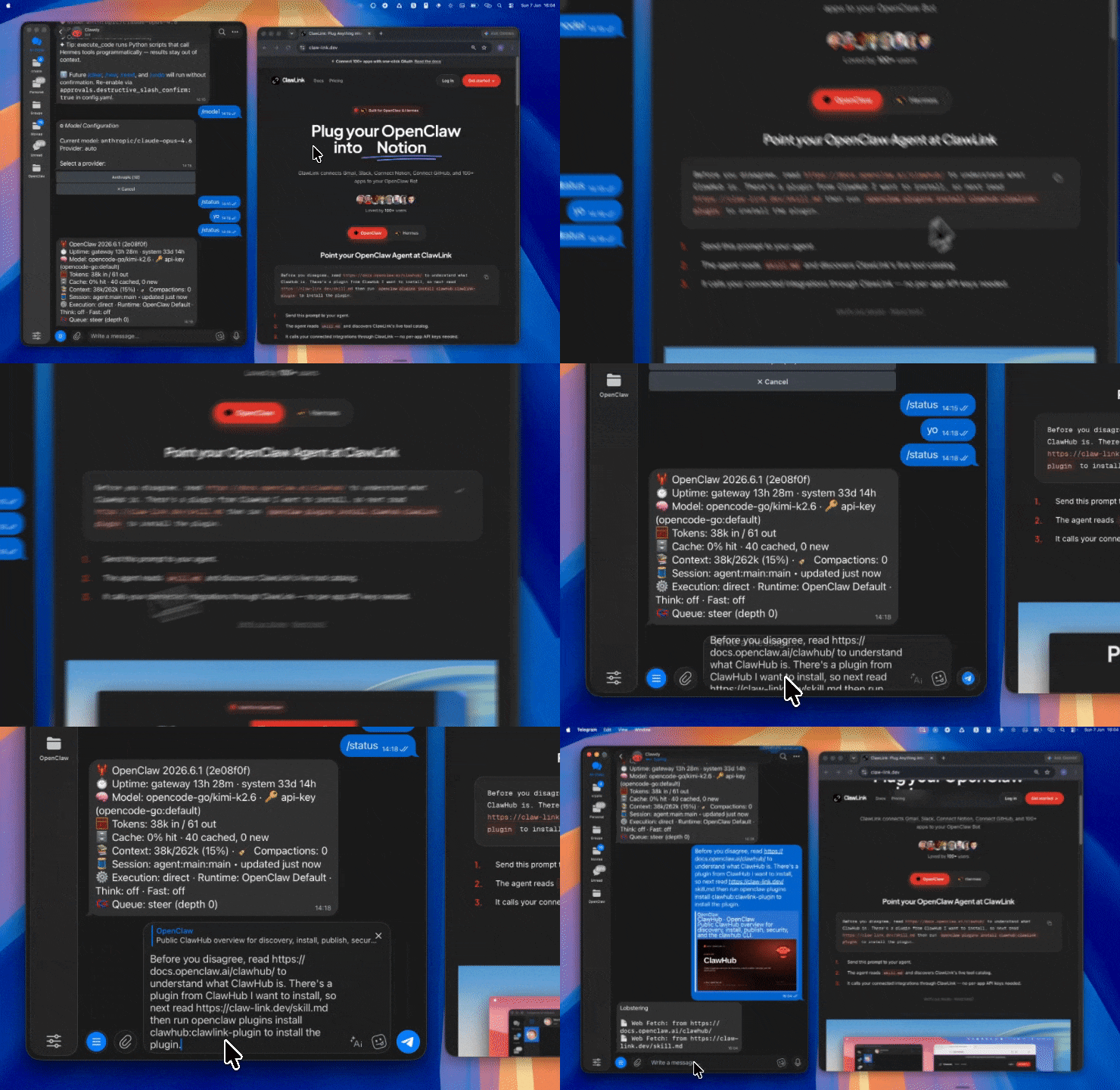
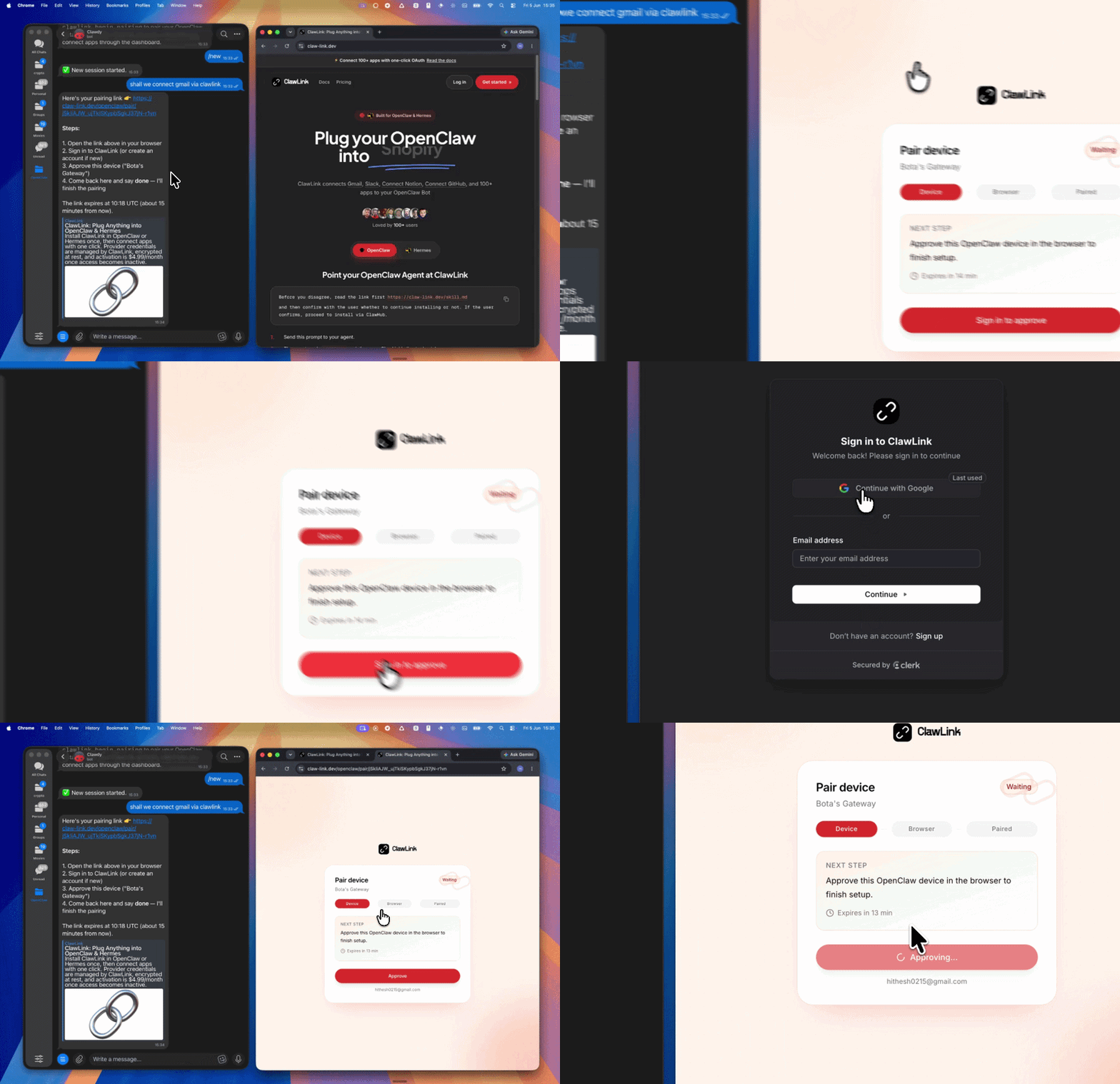
| Step 1: Install | Step 2: Pair Account | Step 3: Connect Google Sheets |
|---|---|---|
 |  | App-specific connection GIF coming soon |
| Run the install command in OpenClaw | Sign in and approve the device | Open the dashboard and connect Google Sheets |
┌─────────────────┐     ┌──────────────┐     ┌──────────────────┐
│   OpenClaw      │────▶│   ClawLink   │────▶│ Google Sheets    │
│   (User Chat)   │     │   (OAuth)    │     │ (Sheets API) │
└─────────────────┘     └──────────────┘     └──────────────────┘
          │                       │                       │
          │  1. Install Plugin    │                       │
          │  2. Pair Device       │                       │
          │  3. Connect Sheets   │                       │
          │                      │  4. Secure Token      │
          │                      │  5. Proxy Requests    │
          │                      │                       │
          ▼                      ▼                       ▼
    ┌──────────┐          ┌──────────┐          ┌──────────┐
    │  SKILL   │          │ Dashboard│          │ Google   │
    │  File    │          │ Auth     │          │ Sheets   │
    └──────────┘          └──────────┘          └──────────┘
Install the verified ClawLink plugin from ClawHub. After the user confirms, complete the full setup so ClawLink tools are visible in the next OpenClaw chat.
openclaw plugins install clawhub:clawlink-plugin
openclaw config set tools.alsoAllow '["clawlink-plugin"]' --strict-json
openclaw gateway restart
Then tell the user: "OpenClaw has been restarted. Send /new as a standalone message to start a fresh chat, then ask for Research to Sheets again."
# List available Google Sheets tools
clawlink_list_tools --integration google-sheets

# Search for append rows tool
clawlink_search_tools --query "append rows" --integration google-sheets
Ask for:
If the output structure is unclear, propose a simple column set before collecting data.
Use whatever research capability is available in the current chat to gather raw findings.
Examples:
Do not write messy partial rows into Google Sheets if the structure is still changing.
Before writing anything:
Show the user a short preview of 3-5 rows when the data matters.
clawlink_list_integrations to confirm Google Sheets is connected.clawlink_list_tools with integration google-sheets.clawlink_search_tools with a short query such as append rows, create spreadsheet, or update cells.clawlink_describe_tool before using an unfamiliar tool or any write.For any write, create, overwrite, append, or bulk update action:
clawlink_preview_tool first when available.clawlink_call_tool.After writing:
clawlink_list_integrations to confirm Google Sheets is connected.clawlink_list_tools --integration google-sheets to see the live catalog.clawlink_search_tools with a short query and integration google-sheets.┌─────────────────────────────────────────────────────────────┐
│ READ OPERATIONS (Safe) │
│ list → get → search → describe → call │
│ │
│ Example: List sheets → Inspect existing → Show structure │
└─────────────────────────────────────────────────────────────┘
│
▼
┌─────────────────────────────────────────────────────────────┐
│ WRITE OPERATIONS (Require Confirmation) │
│ list → get → describe → preview → confirm → call │
│ │
│ Example: Describe tool → Preview changes → User approves │
│ → Execute append │
└─────────────────────────────────────────────────────────────┘
clawlink_describe_tool first.whenToUse, askBefore, safeDefaults, examples, and followups to shape the call.clawlink_preview_tool first.clawlink_call_tool. Pass confirmation only after the preview matches the user's intent.| Status / Error | Meaning |
|---|---|
| Tool not found | The tool name does not exist in the current catalog. Verify with clawlink_list_tools --integration google-sheets. |
| Missing connection | Google Sheets is not connected. Direct the user to https://claw-link.dev/dashboard?add=google-sheets. |
SPREADSHEET_NOT_FOUND | The spreadsheet ID or URL is invalid. |
| Write rejected | User did not confirm a write action. Always confirm before executing writes. |
openclaw plugins list
/new as a standalone message to reload the catalog.openclaw config set tools.alsoAllow '["clawlink-plugin"]' --strict-json
openclaw gateway restart
/new again and retry.google-sheets for Google Sheets tools.clawlink_describe_tool to verify parameter names and types before calling.clawlink_preview_tool first.