Install
openclaw skills install @hith3sh/slack-workspaceSend messages, manage channels, handle files, and coordinate team communication in Slack via the Slack API. Use this skill when users want to send messages, search conversations, manage channels, create reminders, or automate Slack workflows from chat.
openclaw skills install @hith3sh/slack-workspaceManage Slack workspaces — send messages, manage channels, search conversations, handle files, create reminders, and automate team communication via the Slack API.
This skill uses ClawLink for hosted connection flows and credentials so you do not need to configure Slack API access yourself.
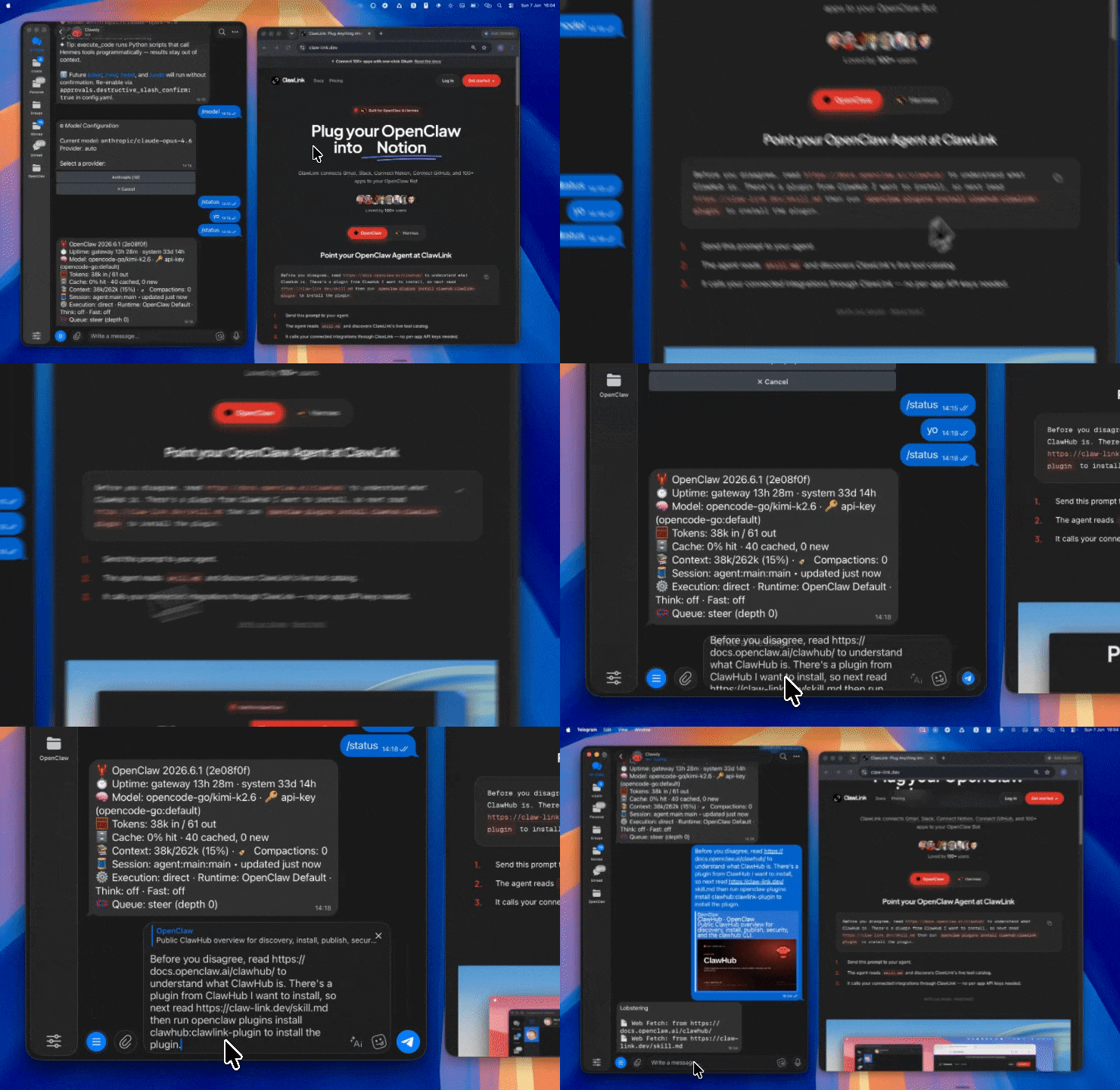
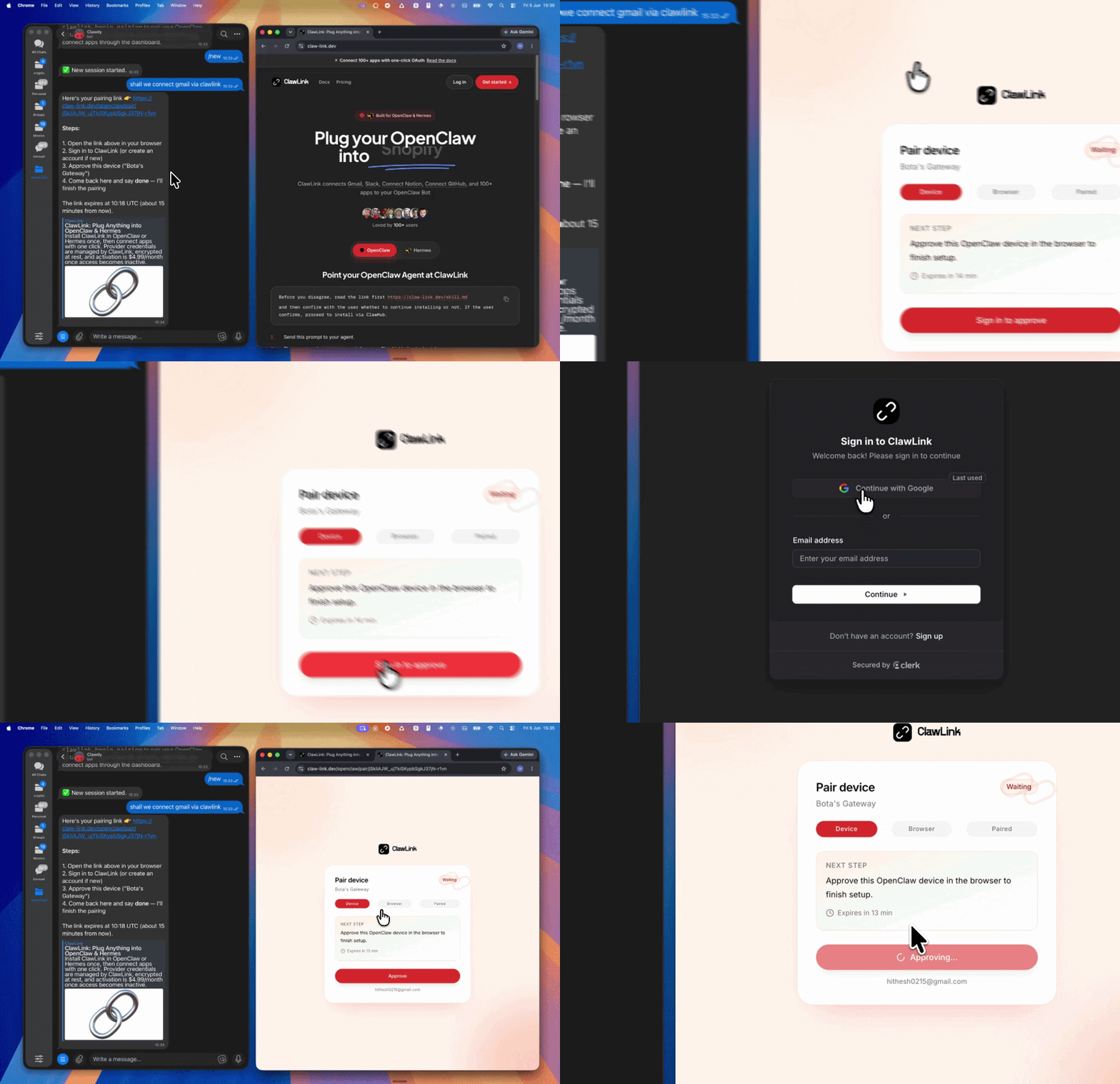
| Step 1: Install | Step 2: Pair Account | Step 3: Connect Slack |
|---|---|---|
 |  | App-specific connection GIF coming soon |
| Run the install command in OpenClaw | Sign in and approve the device | Open the dashboard and connect Slack |
┌─────────────────┐     ┌──────────────┐     ┌──────────────────┐
│   OpenClaw      │────▶│   ClawLink   │────▶│   Slack Web API  │
│   (User Chat)   │     │   (OAuth)    │     │                  │
└─────────────────┘     └──────────────┘     └──────────────────┘
         │                       │                       │
         │  1. Install Plugin    │                       │
         │  2. Pair Device       │                       │
         │  3. Connect Slack     │                       │
         │                       │  4. Secure Token      │
         │                       │  5. Proxy Requests    │
         │                       │                       │
         ▼                       ▼                       ▼
   ┌──────────┐           ┌──────────┐           ┌──────────┐
   │  SKILL   │           │ Dashboard│           │  Slack   │
   │  File    │           │ Auth     │           │ Workspace│
   └──────────┘           └──────────┘           └──────────┘
Install the verified ClawLink plugin from ClawHub. After the user confirms, complete the full setup so ClawLink tools are visible in the next OpenClaw chat.
openclaw plugins install clawhub:clawlink-plugin
openclaw config set tools.alsoAllow '["clawlink-plugin"]' --strict-json
openclaw gateway restart
Then tell the user: "OpenClaw has been restarted. Send /new as a standalone message to start a fresh chat, then ask for Slack again."
# List all channels
clawlink_call_tool --tool "slack_list_all_channels" --params '{}'

# Send a message
clawlink_call_tool --tool "slack_send_message" --params '{"channel": "C0123456789", "text": "Hello from OpenClaw!"}'

# Find a user
clawlink_call_tool --tool "slack_find_user_by_email_address" --params '{"email": "colleague@company.com"}'
All Slack tool calls are authenticated automatically by ClawLink using the user's connected Slack workspace OAuth token.
No API token is required in chat. ClawLink stores the OAuth token securely and injects it into every Slack Web API request on the user's behalf.
clawlink_begin_pairing if it is not configured yet.clawlink_list_integrations to verify the connection is active.clawlink_list_integrations
Response: Returns all connected integrations. Look for slack in the list.
clawlink_list_tools --integration slack
Response: Returns the live tool catalog for Slack.
If Slack tools are missing or the connection shows an error:
clawlink_list_integrations to verifyclawlink_list_tools --integration slack| Tool | Description | Mode |
|---|---|---|
slack_send_message | Send a text message to a channel, DM, or MPDM | Write |
slack_send_thread_reply | Reply to a specific message thread | Write |
slack_schedule_message | Schedule a message for future delivery | Write |
slack_delete_scheduled_message | Delete a pending scheduled message | Write |
slack_list_scheduled_messages | List pending scheduled messages in a channel | Read |
slack_deletes_a_message_from_a_chat | Delete a message from a channel or DM | Write |
slack_update_message | Update an existing message's text | Write |
| Tool | Description | Mode |
|---|---|---|
slack_list_all_channels | List all channels in the workspace | Read |
slack_find_channels | Search channels by name, topic, or purpose | Read |
slack_create_channel | Create a new public or private channel | Write |
slack_archive_conversation | Archive a channel (makes it read-only) | Write |
slack_rename_channel | Rename an existing channel | Write |
slack_set_channel_topic | Set the topic/description of a channel | Write |
slack_set_channel_purpose | Set the purpose of a channel | Write |
slack_invite_users_to_a_slack_channel | Invite users to a channel | Write |
slack_join_an_existing_conversation | Join a channel you have access to | Write |
slack_leave_conversation | Leave a channel | Write |
slack_close_dm | Close a DM or MPDM conversation | Write |
| Tool | Description | Mode |
|---|---|---|
slack_fetch_conversation_history | Get messages from a channel (main timeline, not threads) | Read |
slack_fetch_message_thread_from_a_conversation | Get all replies in a specific thread | Read |
slack_list_conversations | List conversations accessible to a user | Read |
| Tool | Description | Mode |
|---|---|---|
slack_list_all_users | List all users in the workspace | Read |
slack_find_users | Search users by name, email, or criteria | Read |
slack_find_user_by_email_address | Look up a user by their email address | Read |
slack_get_user_presence | Get a user's current presence (active/away) | Read |
slack_get_user_dnd_status | Get a user's Do Not Disturb status | Read |
| Tool | Description | Mode |
|---|---|---|
slack_list_files_with_filters_in_slack | List files shared in the workspace | Read |
slack_upload_file_to_channel | Upload a file to a channel | Write |
slack_delete_file | Permanently delete a file | Write |
slack_download_slack_file | Download file content and get a public URL | Read |
| Tool | Description | Mode |
|---|---|---|
slack_add_reaction_to_an_item | Add an emoji reaction to a message | Write |
slack_remove_reaction_from_item | Remove a reaction from a message | Write |
slack_fetch_item_reactions | Get all reactions on a message | Read |
| Tool | Description | Mode |
|---|---|---|
slack_create_a_reminder | Create a reminder at a specific time | Write |
slack_list_reminders | List all your reminders | Read |
slack_get_reminder | Get details of a specific reminder | Read |
slack_complete_reminder | Mark a reminder as complete | Write |
slack_delete_reminder | Delete a reminder | Write |
| Tool | Description | Mode |
|---|---|---|
slack_pin_item | Pin a message to a channel | Write |
slack_list_pinned_items | List all pinned items in a channel | Read |
slack_remove_pin | Unpin an item from a channel | Write |
slack_add_star | Star a channel, file, or message | Write |
slack_list_starred_items | List your starred items | Read |
slack_remove_star | Remove a star from an item | Write |
| Tool | Description | Mode |
|---|---|---|
slack_create_canvas | Create a new Slack Canvas document | Write |
slack_edit_canvas | Edit content in a Canvas | Write |
slack_delete_canvas | Delete a Canvas permanently | Write |
slack_lookup_canvas_sections | Get section IDs for targeted editing | Read |
| Tool | Description | Mode |
|---|---|---|
slack_fetch_team_info | Get workspace metadata and settings | Read |
slack_invite_user_to_workspace | Invite a new user to the workspace | Write |
slack_create_user_group | Create a user group (subteam) | Write |
slack_list_user_groups | List all user groups | Read |
slack_disable_user_group | Disable a user group | Write |
slack_enable_user_group | Re-enable a disabled user group | Write |
slack_list_enterprise_teams | List all teams in an Enterprise Grid org | Read |
slack_read_audit_logs | Read Enterprise Grid audit logs | Read |
| Tool | Description | Mode |
|---|---|---|
slack_add_emoji | Add a custom emoji to the workspace | Write |
slack_list_custom_emojis | List all custom emoji | Read |
slack_remove_emoji | Remove a custom emoji (Enterprise Grid) | Write |
| Tool | Description | Mode |
|---|---|---|
slack_get_call_info | Get details about a Slack call | Read |
slack_end_call | End an ongoing call | Write |
slack_add_call_participants | Add participants to a call | Write |
slack_remove_call_participants | Remove participants from a call | Write |
clawlink_call_tool --tool "slack_send_message" \
  --params '{
    "channel": "C0123456789",
    "text": "Deployment complete! Version 2.1.0 is live."
  }'
clawlink_call_tool --tool "slack_send_thread_reply" \
  --params '{
    "channel": "C0123456789",
    "thread_ts": "1234567890.123456",
    "text": "I will take care of this by end of day."
  }'
clawlink_call_tool --tool "slack_create_channel" \
  --params '{
    "name": "project-alpha",
    "is_private": false
  }'
clawlink_call_tool --tool "slack_create_a_reminder" \
  --params '{
    "text": "Weekly team sync",
    "time": "tomorrow at 10am"
  }'
clawlink_call_tool --tool "slack_find_user_by_email_address" \
  --params '{
    "email": "alex@company.com"
  }'
clawlink_call_tool --tool "slack_upload_file_to_channel" \
  --params '{
    "channel": "C0123456789",
    "content": "File content here",
    "filename": "report.csv",
    "title": "Q1 Report"
  }'
clawlink_list_integrations to confirm Slack is connected.clawlink_list_tools --integration slack to see the live catalog.clawlink_search_tools with a short query and integration slack.┌─────────────────────────────────────────────────────────────┐
│ READ OPERATIONS (Safe) │
│ list → get → search → find → call │
│ │
│ Example: Find channel → Get history → Show messages │
└─────────────────────────────────────────────────────────────┘
│
▼
┌─────────────────────────────────────────────────────────────┐
│ WRITE OPERATIONS (Require Confirmation) │
│ describe → preview → confirm → call │
│ │
│ Example: Preview message → User approves → Send message │
└─────────────────────────────────────────────────────────────┘
clawlink_describe_tool first.whenToUse, askBefore, safeDefaults, examples, and followups to shape the call.clawlink_preview_tool first.clawlink_call_tool. Pass confirmation only after the preview matches the user's intent.slack_fetch_conversation_history returns messages from the main channel timeline only — threaded replies require slack_fetch_message_thread_from_a_conversation.slack_find_channels to resolve display names to IDs.D or G respectively.Retry-After headers.| Status / Error | Meaning |
|---|---|
| Tool not found | The tool name does not exist in the current catalog. Verify with clawlink_list_tools --integration slack. |
| Missing connection | Slack is not connected. Direct the user to https://claw-link.dev/dashboard?add=slack. |
channel_not_found | The channel ID does not exist or the bot is not a member. |
user_not_found | The user email or ID does not match any workspace member. |
not_authed | The OAuth token is invalid or has been revoked. Reconnect Slack. |
missing_scope | The token lacks the required scope for this operation. |
message_not_found | The message timestamp does not match any message in the channel. |
cant_update_message | Only the message author or workspace admin can edit a message. |
is_archived | The target channel has been archived. |
send_as_app | The message requires a bot token. The user may need to use a different connection method. |
| Write rejected | User did not confirm a write action. Always confirm before executing writes. |
openclaw plugins list
/new as a standalone message to reload the catalog.openclaw config set tools.alsoAllow '["clawlink-plugin"]' --strict-json
openclaw gateway restart
/new again and retry.slack.clawlink_describe_tool to verify parameter names and types before calling.clawlink_preview_tool first.slack_find_channels before calling tools that require a channel ID.slack_fetch_conversation_history returns empty — the tool only fetches the main timeline, not threaded replies. Use slack_fetch_message_thread_from_a_conversation with the parent message's thread_ts.slack_find_channels returns empty — the channel may be private or the bot may not be a member. Use the channel ID directly if known.slack_list_all_users returns incomplete results — this may reflect guest account visibility settings, not a real absence.Powered by ClawLink — an integration hub for OpenClaw